Fabian Ljung
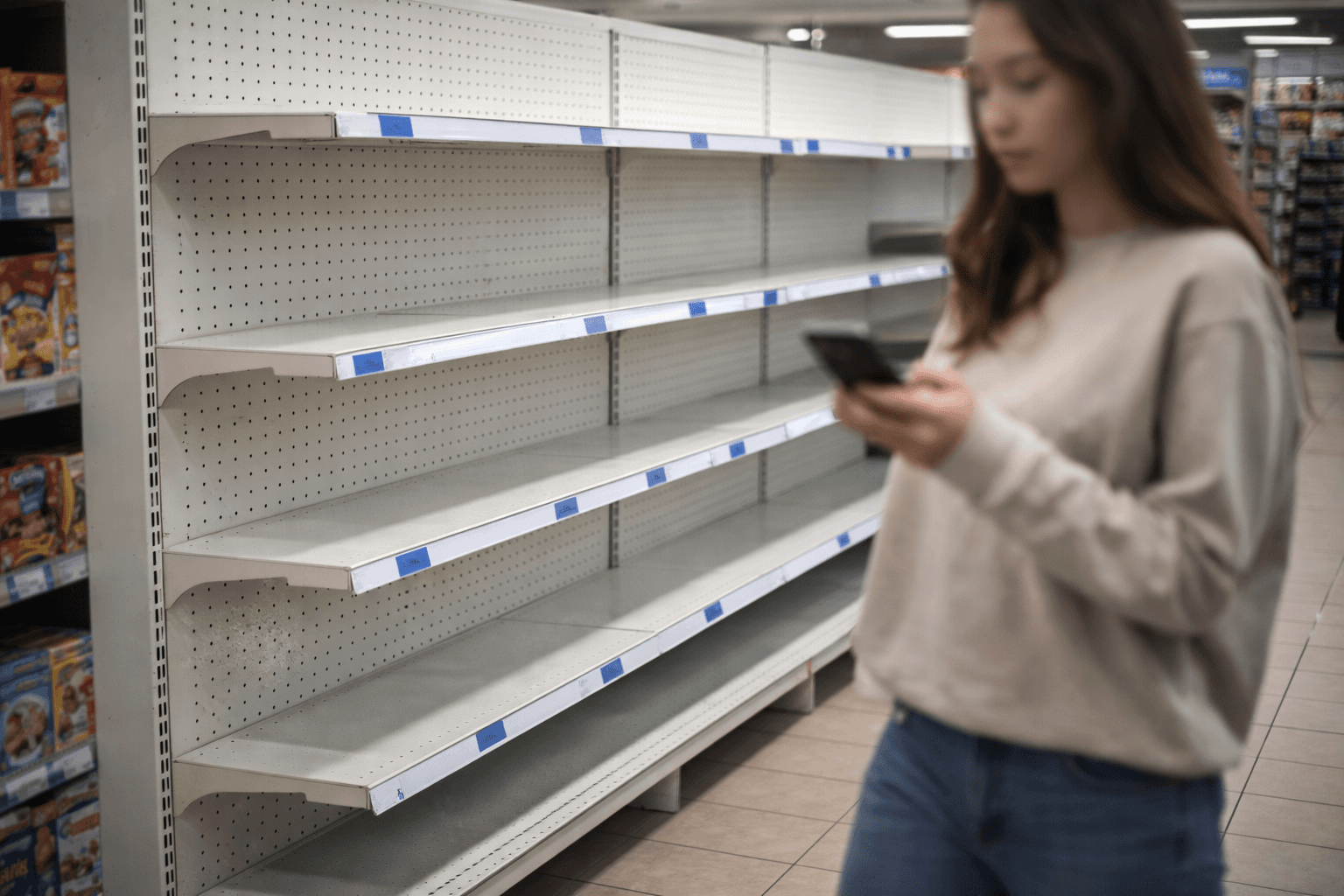
For years, commerce has been built around one core idea: the shelf. First physical. Then digital. Then optimized through retail media. But now, that concept is starting to break down: again.
We’re entering a phase where the “digital shelf” is no longer the primary place where decisions happen. Instead, those decisions are being made earlier, faster, and increasingly outside of environments brands can control.
The shelf, whether in a store or online, has never really been about placement. It’s been about influence. In physical retail, it was about eye-level positioning. In e-commerce, it became search rankings and sponsored listings. With retail media, brands could pay to win visibility. But in every version, the underlying assumption was the same: that the consumer arrives at a place where options are presented, compared, and then chosen. That assumption is now being challenged.
Grocery might be the last place you’d expect this shift to happen. But it’s actually one of the first. Because people don’t want to shop groceries. They want to think about meals, and get the ingredients instantly.
AI Removes the Need for a Shelf
AI-driven experiences are compressing the entire journey. Instead of browsing, users are asking. Instead of comparing, they’re receiving recommendations. Instead of navigating a shelf, they’re presented with a decision.
The result is a fundamental shift: The moment of influence and the moment of transaction are collapsing into one. There is no longer a clear “consideration phase” where brands can compete for attention. The choice is increasingly made before a traditional shelf even exists. We’ve already seen early versions of this shift. A creator demonstrates a product. A user thinks, “I want that.” And within seconds, they purchase, without ever searching, comparing, or browsing.
Now imagine that same flow, but powered by AI: A user expresses a need. An AI selects the product. The purchase is completed instantly. No shelf. No scrolling. No second chances.
What This Means for Brands
If there is no shelf, there is no guaranteed visibility. Brands can no longer rely on:
ranking well in search
winning ad placements
or building storefronts that users may never visit
Instead, success depends on something else entirely: Being present at the exact moment intent is formed.
That means:
your product data needs to be structured in a way AI can understand and prioritize
your offering needs to be clearly differentiated and easy to recommend
your purchase flow needs to be immediate, frictionless, and available everywhere
In this environment, visibility is no longer something you buy. It’s something you earn through relevance.
The Northfork Perspective
Working with turning content like recipes into shoppable experiences makes this shift very tangible. When someone is reading a recipe, they’re not browsing a catalog. They’re already in a moment of intent. They know what they want to cook. They just need a fast way to act on it. In that context, the “shelf” is irrelevant.
What matters is:
connecting that moment to real products
making those products instantly purchasable
and doing it without forcing the user into a different journey
The same principle applies far beyond food. As AI takes over more of the decision-making layer, the brands that win won’t just have better marketing. They’ll have better infrastructure. That means:
product data that AI systems can interpret and trust
the ability to transact across any surface, not just owned channels
real-time connections to retailers and fulfillment
In other words, the ability to show up, be selected, and convert: anywhere.
The Shift Is Already Happening
This isn’t a future scenario. It’s already visible in how content, creators, and platforms are collapsing the gap between inspiration and purchase. The difference now is speed and scale. As AI accelerates this shift, the idea of the digital shelf will matter less and less. And the moment of intent will matter more than anything.
If you’re thinking about how this impacts your strategy, you’re not alone. We’re already seeing these changes play out in how content turns into commerce, and it’s moving fast.
More articles
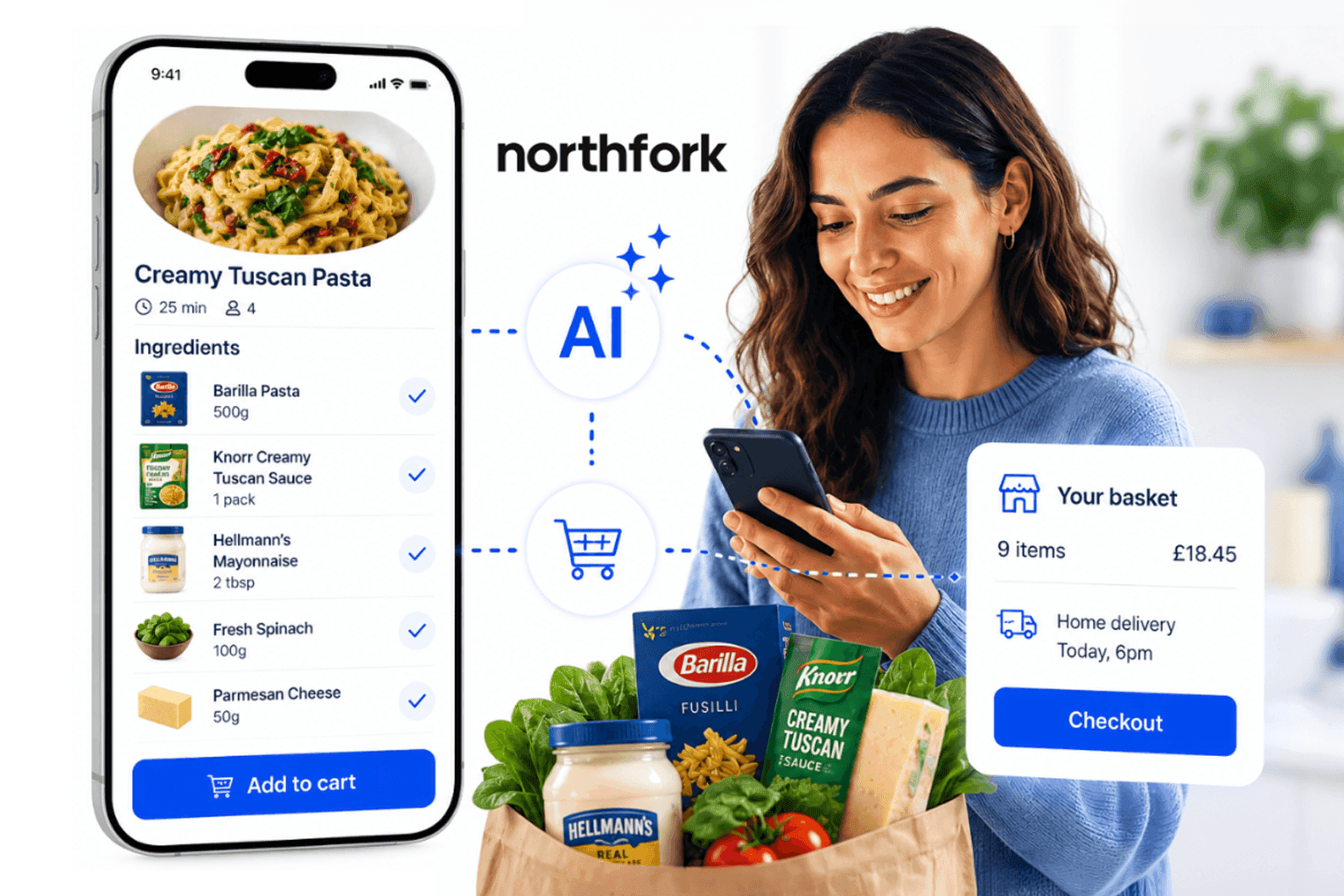
When AI Does the Shopping, How Does Your Brand Get Chosen?
AI is changing how consumers discover, evaluate and buy products. While conferences are full of predictions about Agentic Commerce, few are explaining what it actually means for food brands and retailers, or what they should do about it today. This article explores how AI-powered shopping will reshape brand choice and the practical steps organisations can take today to remain recommendable, discoverable and shoppable in an agent-driven future.
Read article

From Love Island to Walmart Cart: How NBCUniversal Turned Love Island USA into a Shoppable Walmart Experience
Entertainment has become one of the world's most influential shopping channels. When viewers discover products they love, they increasingly expect to buy them instantly rather than search for them later. This case study examines how NBCUniversal used Northfork's commerce infrastructure to connect Love Island with Walmart and Megan Thee Stallion's Hot Girl Swim collection, turning audience inspiration into a frictionless, measurable shopping experience.
Read article
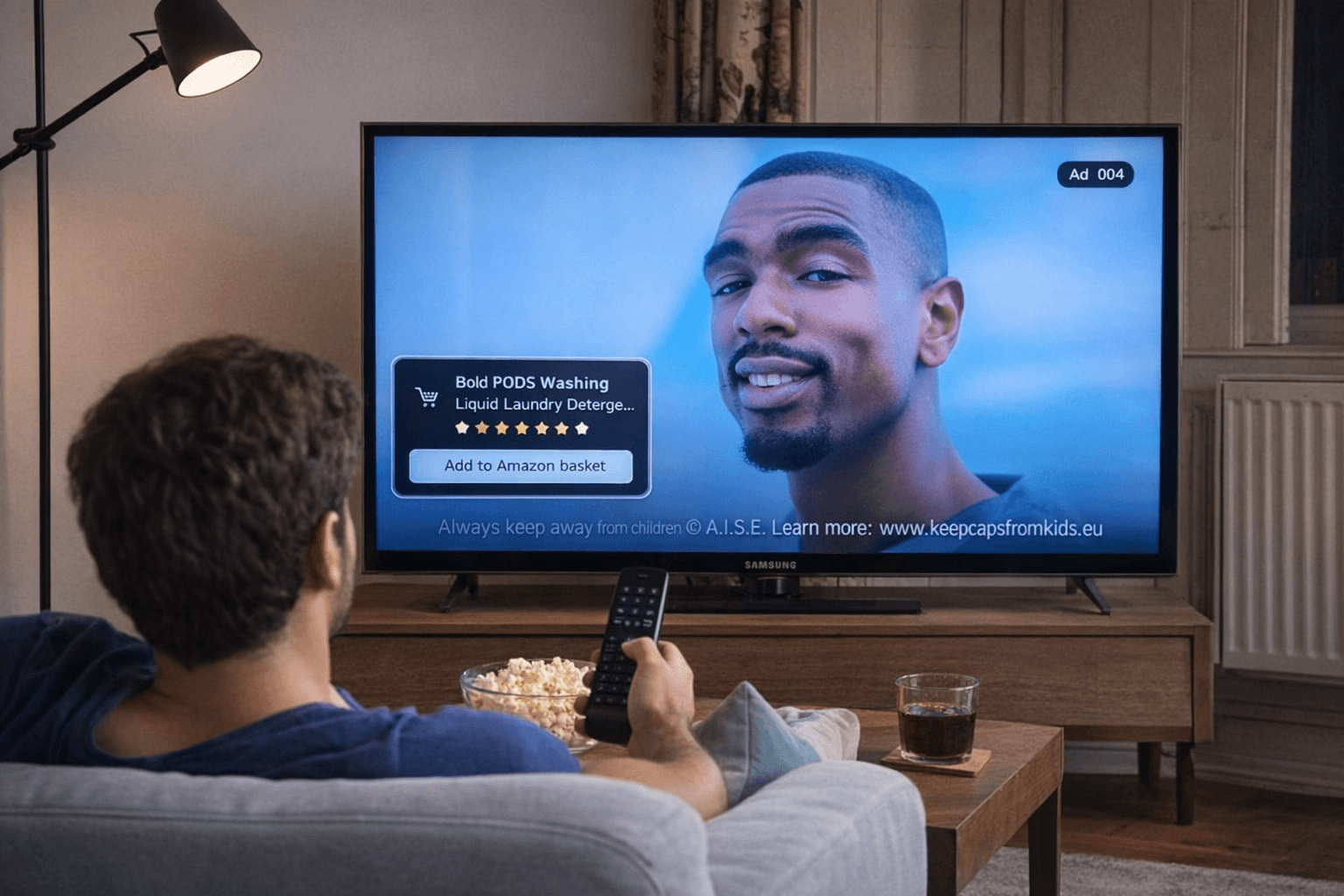
The Living Room: the New Storefront
Amazon isn’t just adding ads to TV. They’re turning TV into a clickable, measurable, shoppable surface.
Read article